
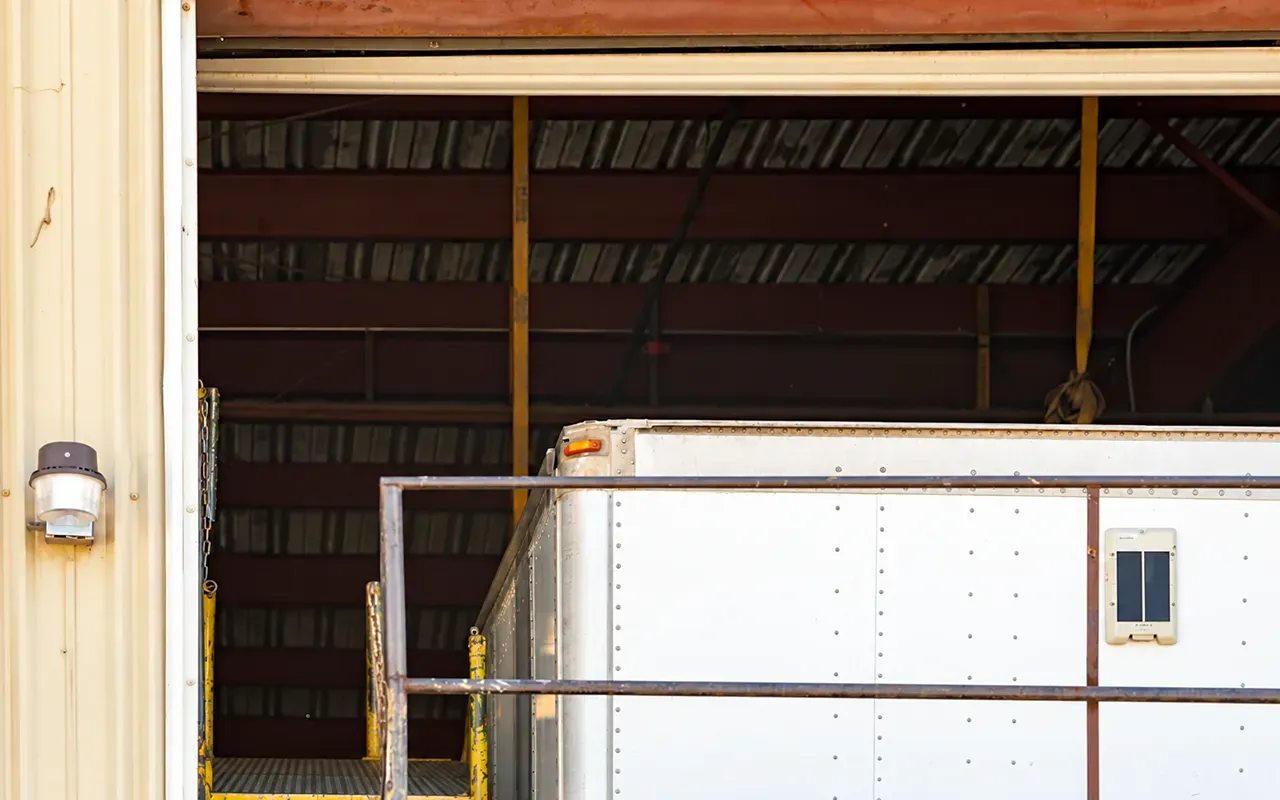
A trailer can look perfectly fine from the outside while serious damage develops underneath. Cracked crossmembers, weakened floors, and frame corrosion often go unnoticed until a load shifts or a structural component fails. Recognizing commercial trailer structural damage early helps you prevent costly repairs, protect your cargo, and keep unsafe equipment off the road.
What Are the Most Common Signs of Trailer Structural Damage?
Structural damage affects the components responsible for supporting your trailer's weight and maintaining its shape. Years of heavy loads, road vibrations, corrosion, and accidental impacts can gradually weaken these components.
Some warning signs are easy to spot, while others require a closer inspection.
Watch for:
- Frame cracks: Visible fractures around high-stress areas or welded connections.
- Bent crossmembers: Deformed supports beneath the trailer floor.
- Floor deterioration: Soft spots, sagging sections, or damaged floorboards.
- Corrosion: Rust affecting load-bearing steel components.
- Wall separation: Gaps where panels, posts, or structural connections meet.
- Uneven alignment: A trailer that appears twisted, tilted, or out of square.
If you notice these issues, professional commercial trailer repair services can help determine whether your trailer needs structural repairs before returning to service.
How Can You Identify Cracks in a Trailer Frame?
The frame supports the trailer's weight and distributes forces across its structural components. Cracks can develop around welds, suspension mounting areas, and other locations exposed to repeated stress.
During a trailer frame inspection, look closely at areas where metal components connect.
Common indicators include:
- Fine cracks extending from welds or mounting points
- Rust lines following an unusual pattern across metal
- Bent or distorted frame sections
- Loose or damaged structural fasteners
- Visible separation around frame connections
Small cracks deserve attention because repeated loading can cause them to spread.
Where Should You Check for Frame Damage?
Inspect accessible portions of the main rails, crossmembers, and suspension mounting areas. Pay particular attention to locations where the trailer has experienced previous impacts or repairs.
Do not crawl underneath an unsupported trailer or enter areas where components could shift unexpectedly.
If you discover a suspected structural crack, stop using the trailer until a qualified technician evaluates the damage.
What Do Bent or Damaged Trailer Crossmembers Look Like?
Crossmembers run across the trailer beneath the floor and help distribute cargo weight. When these supports bend, crack, or deteriorate, the floor may lose the support it needs.
Heavy forklift traffic, concentrated loads, and repeated impacts can contribute to trailer crossmember damage.
Look for:
- Crossmembers that appear bowed or twisted
- Cracked welds near attachment points
- Rust holes or severely corroded supports
- Sections separating from adjoining structural members
- Sagging flooring above damaged supports
A bent crossmember doesn't necessarily mean the entire trailer needs replacement. However, the surrounding structure should be inspected to determine the extent of the damage.
Repairing only the most visible defect may leave additional weakened components untouched.
How Can Trailer Floor Damage Reveal Structural Problems?
Your trailer floor handles considerable pressure during loading, unloading, and transportation. Damage can develop gradually, especially when forklifts repeatedly travel across the same sections.
Common trailer floor damage includes:
- Cracked or split floorboards
- Soft spots caused by moisture damage
- Sagging sections between crossmembers
- Loose fasteners or damaged floor connections
- Holes and deteriorated flooring near loading areas
A damaged floor can affect cargo stability and create hazards for forklift operators.
Dry van trailers commonly carry palletized freight and depend on their enclosed structure to protect cargo. Understanding dry van trailer construction helps explain why flooring and supporting members require regular attention.
If a floor section bends noticeably under normal loading conditions, stop using that area until the cause has been assessed.
What Are the Warning Signs of Trailer Corrosion?
Rust is particularly concerning when it affects load-bearing components rather than superficial surfaces.
Utah trailers face changing weather conditions, including winter road treatments that can accelerate corrosion on exposed metal.
During a trailer corrosion inspection, examine:
- Frame rails and crossmembers
- Suspension mounting brackets
- Landing gear attachment points
- Rear frame assemblies
- Areas around welds and fasteners
- Metal surfaces where moisture and debris accumulate
Surface rust may only require cleaning and protective treatment. However, deep pitting, flaking metal, and holes can indicate significant structural deterioration.
Corrosion often develops in difficult-to-see areas, so inspecting only the trailer's exterior panels isn't enough.
How Do You Recognize Trailer Wall and Roof Damage?
Enclosed trailers rely on walls, roof supports, and structural connections to maintain their shape.
Impacts from loading equipment, low-clearance obstacles, and shifting cargo can damage these assemblies.
Warning signs of trailer wall damage include:
- Cracked or separated wall panels
- Bent vertical posts
- Loose rivets or fasteners
- Visible gaps around structural connections
- Interior wall bulging
- Water intrusion near damaged seams
Roof damage may appear as sagging panels, distorted roof bows, or separation near the upper rails.
Can Water Leaks Cause Structural Damage?
Yes. Water entering through damaged seals, roof openings, or wall joints can accelerate corrosion and deteriorate susceptible flooring materials.
Over time, moisture-related damage may weaken supporting components.
Check for water stains, damp flooring, rust streaks, and recurring leaks. Repairing the entry point early helps prevent additional deterioration.
What Does Suspension Mounting Damage Look Like?
Your trailer suspension transfers road forces into the frame while supporting the trailer's load.
Damaged suspension mounting points can affect alignment, stability, and overall structural integrity.
Look for:
- Cracks around suspension brackets
- Loose or missing mounting fasteners
- Distorted hanger assemblies
- Damaged welds near attachment points
- Unusual tire wear associated with alignment problems
A trailer that tracks poorly behind the tractor may have suspension or alignment issues, although other mechanical faults can produce similar symptoms.
Suspension-related structural damage requires professional evaluation because these components experience significant forces during operation.
How Can You Inspect a Commercial Trailer for Structural Damage?
A consistent commercial trailer inspection helps identify defects before they cause breakdowns or safety problems.
Start with a visual walkaround and focus on areas exposed to repeated loading and road stress.
Use this practical checklist:
- Inspect the exterior: Look for dents, twisted panels, and unusual gaps.
- Check visible frame components: Identify cracks, corrosion, and deformation.
- Examine the floor: Watch for soft spots, holes, and uneven sections.
- Review suspension mounts: Look for loose connections and damaged brackets.
- Inspect doors and rear framing: Check for misalignment and damaged structural supports.
- Document defects: Photograph suspected damage and record its location.
Perform checks on stable ground with the trailer properly secured.
If a component appears severely weakened, avoid loading or moving the trailer until it has been inspected.
When Does Structural Damage Require Professional Trailer Repair?
Minor cosmetic damage and serious structural defects require different approaches.
Small dents in nonstructural panels may not affect the trailer's load-carrying capacity. Cracked frame members, failed crossmembers, and damaged suspension mounts are far more concerning.
Professional structural trailer repair may involve replacing damaged supports, correcting alignment, repairing approved structural connections, or addressing corrosion.
The correct repair depends on the trailer's design, damage severity, and manufacturer requirements.
For a broader understanding of heavy-duty trailer repair, learn about the different components involved in commercial trailer repair procedures.
Avoid unauthorized welding, drilling, or reinforcement of critical structural components. Improper modifications may weaken the trailer or create additional stress points.
How Can Utah Fleets Prevent Trailer Structural Damage?
Consistent maintenance helps reduce structural deterioration, especially for trailers operating throughout Utah County and the Wasatch Front.
Fleet operators should combine regular inspections with prompt repairs and proper loading practices.
Important precautions include:
- Follow trailer weight and cargo distribution limits.
- Inspect flooring after repeated forklift loading.
- Wash away accumulated road salt and debris.
- Address water leaks before corrosion spreads.
- Check structural connections during scheduled maintenance.
- Review trailers following collisions or loading impacts.
- Maintain inspection and repair records.
Trailers traveling between Lindon, Orem, Provo, and nearby communities may experience changing weather and demanding delivery schedules.
These conditions make preventive fleet trailer maintenance especially valuable for identifying wear before it becomes a larger problem.
Schedule Your Trailer Inspection Today
Structural damage often begins with small cracks, corrosion, or deformed supports that worsen under repeated loads. Regular inspections and timely repairs help maintain trailer safety, protect cargo, and reduce unexpected downtime.
Fleet Services of Utah provides commercial trailer repair services in Lindon, UT, helping fleets address damaged components and maintain dependable equipment. Contact the team to schedule a trailer inspection or discuss visible structural concerns before they interfere with your operations.


